Comforters are insulated bedding items designed to provide a warm, evenly distributed layer of warmth for varied sleep preferences. They typically feature a soft outer fabric, a filling for loft and warmth, and stitching patterns that prevent shifting. Understanding fill materials, weight classifications, and care requirements helps consumers select a comforter suitable for different climates and bed sizes.
In this category, comforters are evaluated for warmth level, fill type, and fabric durability. Common options include cotton shells for breathability, microfiber fills for hypoallergenic performance, and down-alternative choices that balance loft with ease of care. Feature considerations also include edge finishing, box stitching, and correlation between fabric weave and warmth retention.
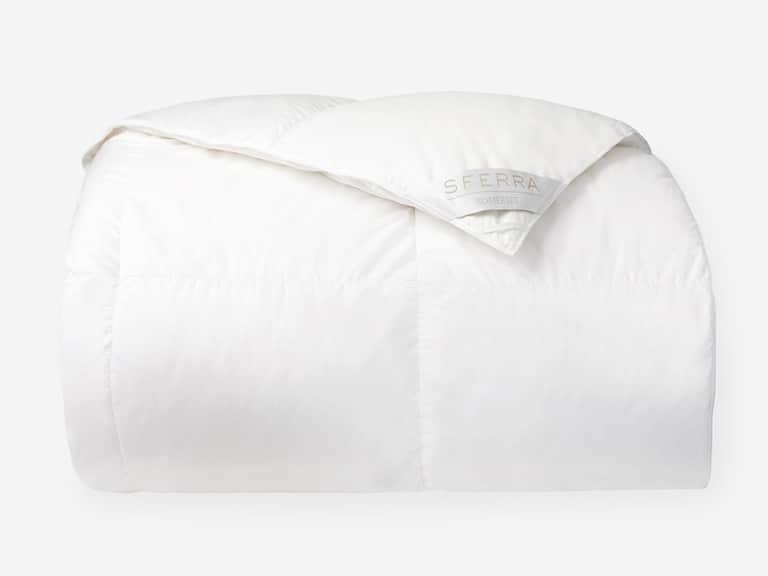
Somerset Duvet is a notable example within this range, offering structured box stitching that maintains even loft and reduces cold spots. Its high-quality filling resists clumping, supporting consistent warmth throughout the night. Design details such as quilted patterns and reinforced seams contribute to long-term shape retention and functional comfort.
Practical benefits of choosing appropriate comforters include temperature regulation, ease of cleaning, and compatibility with diverse bed sizes. Users may prioritize breathability for warmer seasons or denser fills for cooler climates. Additionally, fabric care instructions influence longevity, making removable duvet covers and machine-washable options advantageous for routine maintenance.
These comforters align with broader bedding considerations such as coordinating pillows, latex comfort layers, and the needs of adjustable beds. By integrating functional features like hypoallergenic fills, durable shell fabrics, and adaptable sizing, this category supports a balanced sleep environment and consistent bed presentation across seasons.
 Bedding