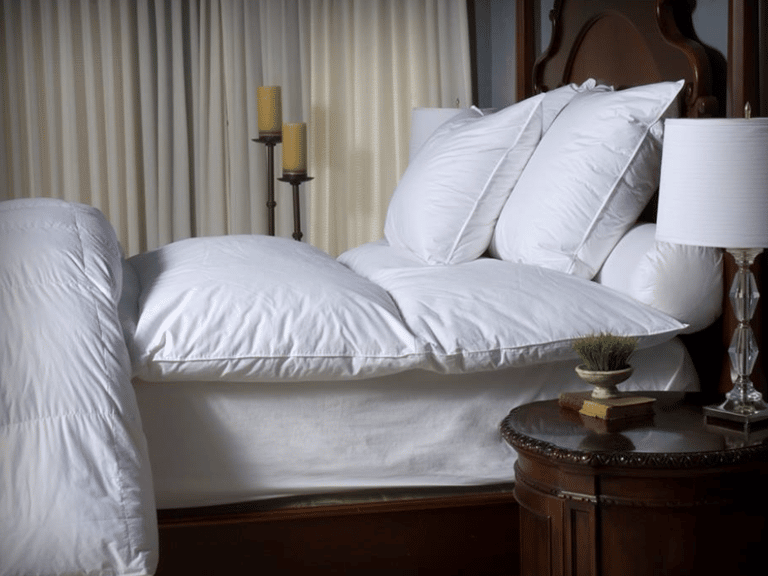
Mattress toppers are thin, supportive layers placed atop a mattress to modify firmness, adapt contouring, and extend the life of existing beds. They vary in materials such as memory foam, latex, wool, and featherfill, each offering distinct temperature response, pressure relief, and body alignment benefits. Proper selection depends on sleeping position, weight, and comfort preferences to achieve a balanced sleep surface.
In this category, featherbeds stand out for their classic, breathable feel and structured softness. They provide a gentle lift while preserving the surface’s responsiveness, enhancing air flow and reducing heat buildup. Featherbed toppers are particularly suited for those seeking a traditional bed texture with subtle contouring and durable loft.
Key features to evaluate include fill quality, loft height, and cover material. High-loft options deliver more cushioning, while lower-loft toppers offer firmer support. Natural materials like feather, wool, or cotton blends promote temperature regulation and moisture management, contributing to overall sleep comfort and bed longevity.
Useful applications encompass improving edge support, alleviating pressure points on hips and shoulders, and extending mattress life by distributing wear more evenly. Topper selection should align with preferred firmness, sleeping style, and any sensitivities to allergens or dust mites, particularly when considering natural fills and breathable covers.
For those considering featherbeds, features such as structured fill distribution, quilted or gusseted designs, and hypoallergenic processing play a crucial role. Understanding how these toppers interact with underlying mattresses, platform bed frames, and existing pillows helps clarify compatibility, comfort outcomes, and long-term usability in bedding arrangements.
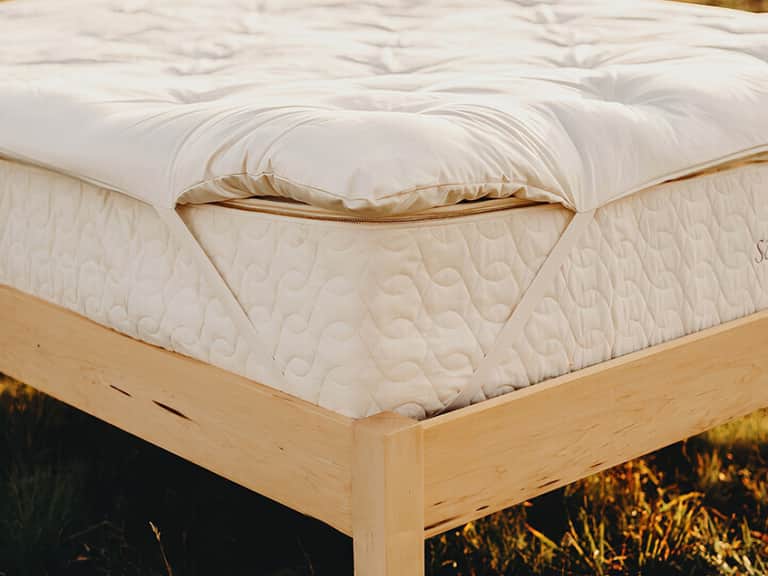 Wool Mattress Toppers